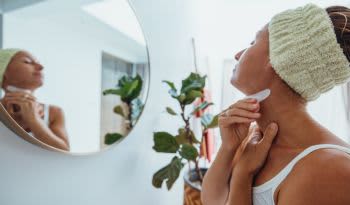
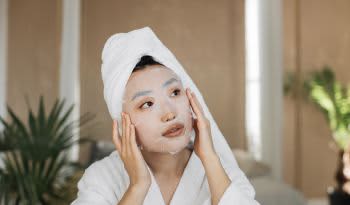
Kviser ser ut til å dukke opp over natten - men i virkeligheten har alle utbrudd sin egen livssyklus. Ved å forstå stadiene i en kvise kan du behandle den mer effektivt (og forhindre at den etterlater arr eller mørke flekker). Fra tidlig betennelse til pleie etter tilheling, kan det å velge riktig tidspunkt for bruk av hudpleieprodukter mot kviser utgjøre hele forskjellen.
Hvis du noen gang har lurt på hvordan kviser oppstår eller hvilke ingredienser du bør velge i de ulike fasene, kan denne guiden hjelpe deg.
Viktige læringspunkter
- Kviser utvikler seg gjennom tre viktige stadier - tidlig, midtre og siste fase - og ved å kjenne igjen hver fase kan du velge den mest effektive behandlingen for å minimere betennelse og forebygge arrdannelse.
- Tidlig stadium (tilstoppede porer): Ved første tegn på en ujevnhet eller hudorm bør du fokusere på eksfoliering med salisylsyre eller niacinamid for å forsiktig rense porene og redusere den første betennelsen uten å klemme.
- Mellomstadiet (aktiv betennelse): Når en kvise blir rød og smertefull (papule/pustel), kan du bekjempe bakterier og betennelse med punktbehandlinger som benzoylperoksid eller svovel, samtidig som du holder huden fuktig med en ikke-komedogen fuktighetskrem.
- Siste fase (heling): Når betennelsen avtar, kan du gå over til beroligende og reparerende ingredienser som centella asiatica (cica) og bruke solfaktor for å forhindre mørke flekker (hyperpigmentering) mens huden gjenoppbygges.
- Forebygging + vedlikehold: Konsekvent pleie, inkludert å unngå å berøre ansiktet, opprettholde et sunt kosthold og bruke skånsomme produkter, er avgjørende for å forebygge fremtidige kviser og sikre en klar hud på lang sikt.
Hva er årsaken til kvisene dine?
Før vi går inn på livssyklusen til en kvise, er det viktig å forstå hvorfor kviser oppstår i utgangspunktet. Kviser oppstår når porene tettes av olje, døde hudceller eller bakterier. Men flere faktorer kan gjøre deg mer utsatt for utbrudd.
Genetikk
Din genetiske sammensetning spiller en stor rolle for hudens oljeproduksjon og hvor raskt cellene omsettes. Hvis du har kviser i familien, vil du kanskje legge merke til at du er mer utsatt for tette porer og betennelser. Selv om du ikke kan endre DNA-et ditt, kan du kontrollere hudpleierutinen og miljøet ditt.
Hormoner
Hormonelle svingninger - spesielt økning i androgener - stimulerer talgkjertlene (oljekjertlene), noe som fører til tette porer og kviser. Dette er grunnen til at mange opplever utbrudd i puberteten, menstruasjonssykluser, graviditet eller stressende perioder.
For å balansere hudpleierutinen din på en naturlig måte, bør du vurdere å innlemme beroligende, plantebaserte alternativer som mynte-te. Begrenset forskning tyder på at mynte kan bidra til å senke androgennivået i kroppen og forbedre kviser forbundet med hormonelle tilstander som polycystisk ovariesyndrom (PCOS).1
Feil hudpleie
Bruk av produkter som er for sterke eller ikke passer til hudtypen din, kan forstyrre hudbarrieren og føre til overflødig oljeproduksjon. Overrengjøring, manglende fuktighetskrem eller bruk av komedogen sminke er vanlige syndere.
Stadier av en kvise
En kvise dukker ikke bare opp ut av det blå - den utvikler seg gjennom flere viktige stadier. Hvis du kjenner igjen hver fase, kan det hjelpe deg med å velge riktig behandling og forhindre at sykdommen forverres. La oss gå gjennom de ulike stadiene av en kvise, fra de tidligste tegnene til den endelige helingsprosessen.
Trinn 1: Tidlig
En kvise i et tidlig stadium begynner dypt inne i huden når en hårsekk eller en pore tettes av olje og døde hudceller. På dette tidspunktet kan du kanskje kjenne en liten kul eller legge merke til at det dannes en liten hudorm eller hudflekk.
Hva skjer
Når poren er tilstoppet, samler det seg olje og død hud inne i poren, og bakterier (som Cutibacterium acnes) begynner å formere seg. Kroppen reagerer med en mild betennelse, noe som fører til ømhet og/eller rødhet.
Hvordan behandle det
Å oppdage en kvise tidlig er nøkkelen til å hindre at den blir smertefull eller betent. Fokuser nå på eksfoliering og forsiktig rensing av porene.
De beste produktene å bruke
- Salisylsyre rensemidler eller tonere: salisylsyre bidrar til å løse opp olje og avleiringer av død hud.
- Niacinamid-serum: niacinamid reduserer betennelse og bidrar til å balansere olje
- Hydrokolloidplaster: ypperlig for hvite hudormer, hydrokolloidplaster for kviser absorberer væske og beskytter området over natten.
Profftips: Motstå trangen til å plukke eller klemme på en whitehead. Bruk i stedet et plaster for å redusere hevelsen og fremskynde tilhelingen.
Trinn 2: Midt
Når poren blir mer betent, har du kommet inn i det midtre stadiet, når kvisen er synlig og noen ganger smertefull.
Hva skjer
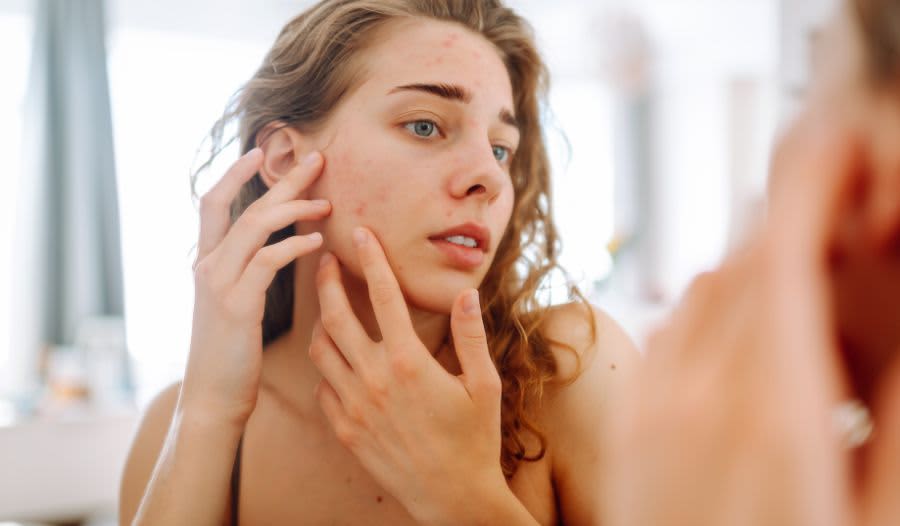
Immunforsvaret reagerer på bakteriene og oljen som er fanget, og forårsaker rødhet, hevelse og pussdannelse. Kviser på dette stadiet kan ta flere former:
- Papler: små, røde knopper uten puss
- Pustler: hvite eller gule kviser fylt med puss
- Knuter: større, faste og smertefulle klumper under huden
- Cyster: dype, betente kviser som kan føre til arrdannelse
Hvordan behandle det
På dette tidspunktet bør du fokusere på å redusere bakterier og dempe betennelser uten å tørke ut huden for mye.
De beste produktene å bruke
- Behandlinger med benzoylperoksid: {Benzoylperoksid bidrar til å drepe bakterier som forårsaker kviser og redusere betennelse .
- Svovelbehandlinger: svovelholdige produkter tørker forsiktig ut overflødig olje, reduserer bakterier og beroliger betent hud uten å overstrippe.
- Ikke-komedogene fuktighetskremer: holder huden hydrert mens du behandler aktive utbrudd
Profftips: Spotbehandlinger er din beste venn her. Påfør dem bare på de berørte områdene, og følg opp med en mild, parfymefri fuktighetskrem for å forhindre irritasjon.
Trinn 3: Finale
I den siste fasen av livssyklusen til en kvise begynner betennelsen å avta. Bulen flater ut, men du kan sitte igjen med postinflammatorisk hyperpigmentering (mørke flekker) eller et tørt, flassende område mens huden reparerer seg selv.
Hva skjer
Immunsystemets respons avtar, og huden begynner å leges og gjenoppbygge kollagen. Restpigment kan sitte igjen i flere uker.
Hvordan behandle det
I denne fasen handler det om å helbrede og forebygge merker og arrdannelse. Fokuser på beroligende, reparerende ingredienser.
De beste produktene å bruke
- Centella asiatica, eller cica, balsam: bidrar til å dempe rødhet og reparere huden2
- Skånsomme eksfolierende midler (PHA eller melkesyre): bidrar til å viske ut mørke flekker uten irritasjon
- SPF 30 eller høyere: solkrem for ansiktet forhindrer pigmentering i å bli mørkere mens huden leges.
Profftips: Ikke forhast deg med å eksfoliere umiddelbart etter at en kvise har grodd. Gi huden tid til å komme seg før du begynner å bruke sterkere stoffer igjen.
Hvordan hjelpe en kvise til å gro
Når utbruddet er over, er det like viktig med pleie etter kvisene. Disse enkle strategiene kan bidra til raskere restitusjon og forebygge fremtidige oppbluss:
- Hold hendene unna ansiktet: Hvis du plukker eller klør deg i ansiktet, kan det introdusere bakterier og forårsake arrdannelse.
- Gi fuktighet og beskyttelse: Bruk en parfymefri fuktighetskrem og daglig solfaktor for å støtte tilheling
- Støtt huden innenfra: Et næringsrikt kosthold med sink, omega-3 og antioksidanter kan fremme klarere hud og bidra til å bekjempe kviser naturlig før de begynner . 3
- Vurder kosttilskudd: visse vitaminer, mineraler og kosttilskudd, som sink, probiotika og vitamin D som sink, probiotika og vitamin D, kan forbedre hudens klarhet over tid. 4
- Vær konsekvent: Selv når huden din ser ren ut, bør du fortsette å bruke skånsomme, forebyggende hudpleieprodukter.
Konklusjon
Når du forstår livssyklusen til en kvise, kan du bruke de riktige produktene til rett tid - slik at du kan stoppe kviser raskere, minimere irritasjon og forebygge arr. Husk at du i de tidlige stadiene bør fokusere på å rense porene og berolige huden. I mellomstadiet, når kvisen er synlig og smertefull, behandler du betennelse og bakterier uten å tørke ut huden for mye. Når kvisen begynner å gro i sluttfasen, kan du fokusere på å reparere og beskytte huden samtidig som du forebygger hyperpigmentering.
For dermatolog-godkjente kvisepleieprodukter, besøk iHerbs kvise- og flekkbehandlinger for å finne målrettede løsninger som passer hudens behov på hvert trinn i kvisenes livssyklus.
Referanser:
- Grant P., Ramasamy S. En oppdatering om plantebaserte antiandrogener. Int J Endocrinol Metab. 2012;10(2):497.
- Park KS. Farmakologiske effekter av Centella asiatica på hudsykdommer: Bevis og mulige mekanismer. Evid Based Complement Alternat Med. 2021;2021.
- Baldwin H, Tan J. Kostholdets innvirkning på akne og respons på behandling. Am J Clin Dermatol. 2021;22(1):55-65.
- Shields A, Ly S, Wafae B, et al. Sikkerhet og effektivitet ved bruk av orale næringsmidler til behandling av akne: En systematisk gjennomgang. JAMA Dermatol. 2023;159(12):1373-1382.
ANSVARSFRASKRIVELSE:
Disse påstandene er ikke vurdert av Food and Drug Administration (FDA). Disse produktene er ikke ment for å diagnostisere, behandle, helbrede eller forebygge sykdom.

























































 Innholdsfortegnelse